What it treats
- Melasma and hormonal pigmentation
- Sun-induced tanning and photoageing
- Post-inflammatory hyperpigmentation after acne or injury
- Dark circles under the eyes
- Uneven tone, dullness and patchiness
- Freckles and sun spots
How the treatment works
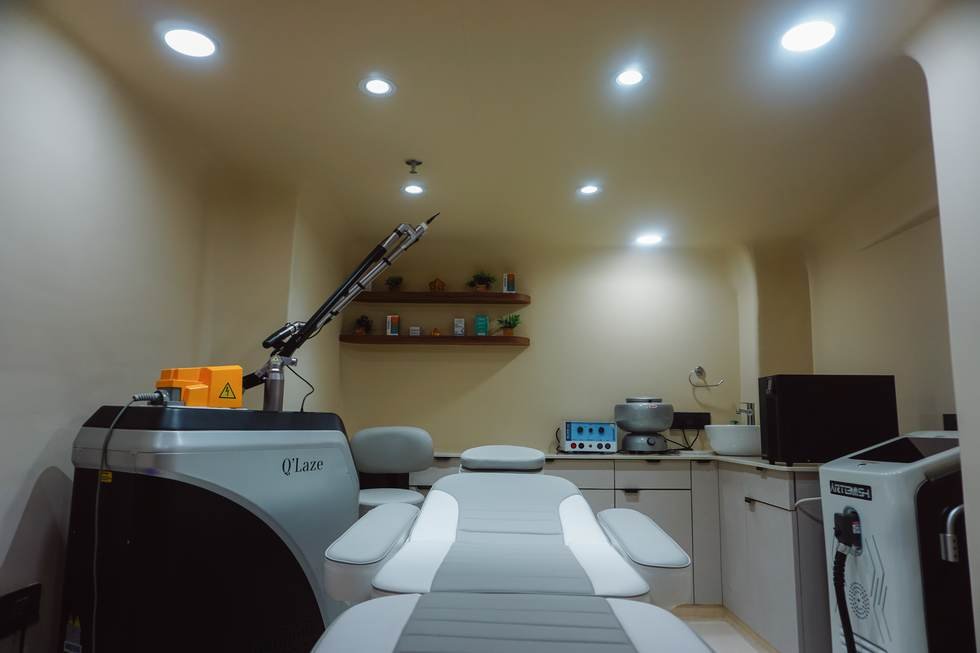
Pigment sits at different depths. Surface pigmentation responds well to medical peels and prescription topicals, while deeper dermal pigment needs gentle laser toning across a planned series. Treating the wrong layer can worsen melasma, which is why diagnosis comes first.
Every plan pairs correction with protection. Without disciplined daily sunscreen, pigmentation returns, and no clinic treatment can outrun ultraviolet exposure.
What to expect at The Happy Skin Tales
Your first visit is a consultation, not a procedure. Dr. Suparna Das examines the concern, takes a history, and explains what is realistically achievable. Only then is a plan agreed, with the number of sessions and the cost confirmed before anything begins.
Every procedure is performed or directly supervised by the dermatologist. Aftercare instructions are written down, and a follow-up review is built into the plan rather than sold separately.
Frequently asked questions
Most commonly, sun exposure, an unresolved hormonal trigger, or stopping maintenance therapy too early. Melasma in particular is a relapsing condition that needs long-term, low-intensity care rather than aggressive one-off treatment.
Only in low-energy, carefully selected settings. Aggressive laser on melasma can rebound and darken the skin. This is precisely why melasma should be treated by a dermatologist, not in a salon setting.
Surface pigmentation often lightens within 3 to 4 weeks. Deeper melasma improves gradually across several months of consistent treatment.
Yes, if you sit near windows or spend hours in front of screens. Visible light and ultraviolet exposure through glass both contribute to pigmentation.
Related treatments
Lasting freedom from waxing, razors and ingrown hair, delivered with a medical-grade diode laser and…
Skin & AestheticsAcne & Scar TreatmentAcne is a medical condition, not a cosmetic inconvenience. We bring active breakouts under control first,…
Hair RestorationHair Loss Therapy (PRP & GFC)Hair fall has a cause, and it is usually findable. We investigate before we treat, then use your own growth…